“Two reports were closed without a visit,” she said quietly. “And the supervisor who closed them has a pattern.”
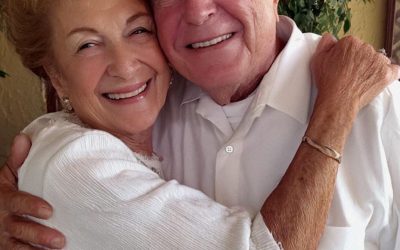
Juni was placed temporarily with the Reynolds, an older couple with kind faces and a spare room that smelled like clean sheets and warm dinner.
But safety didn’t erase fear overnight.
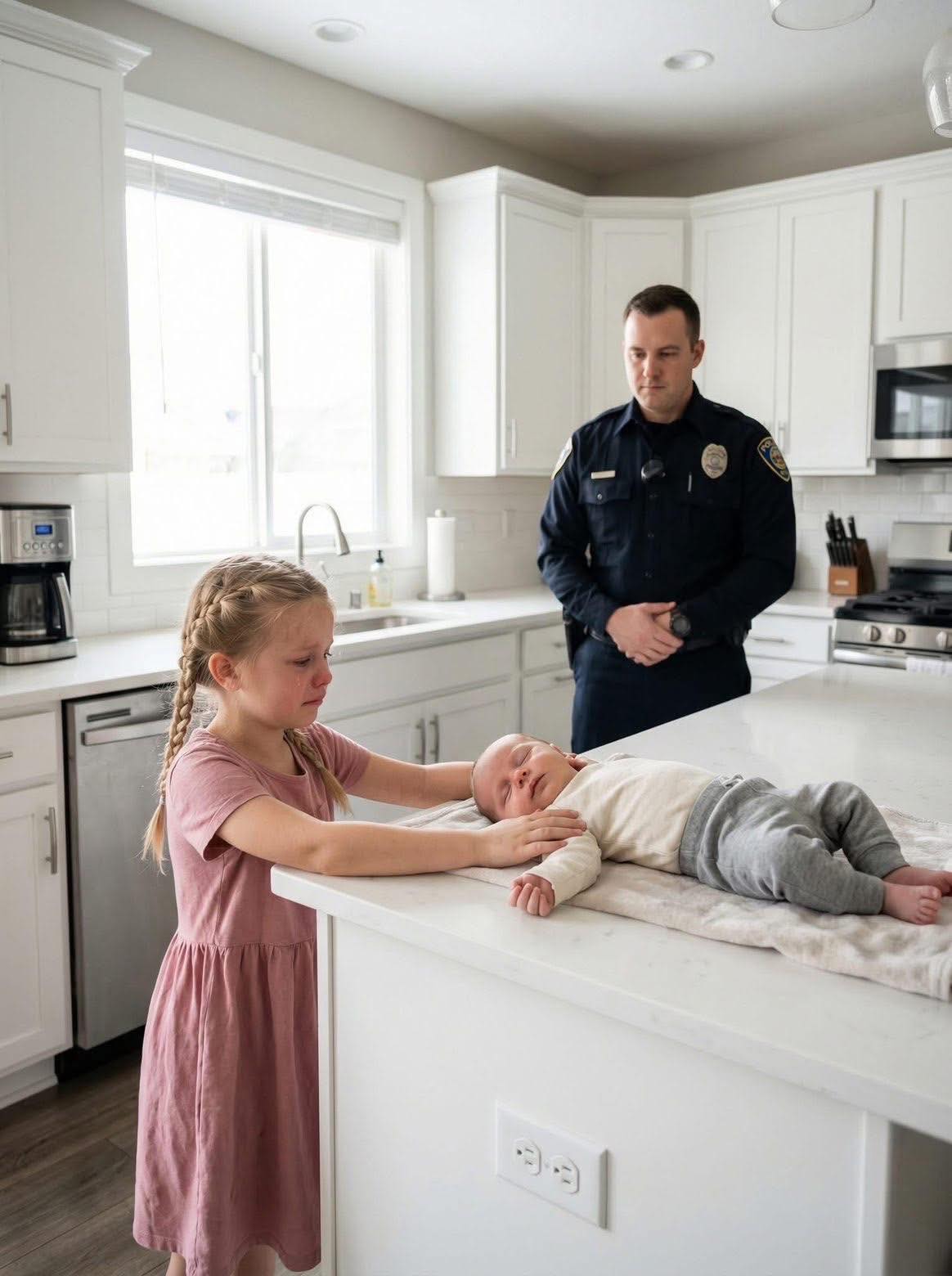
Every time Owen visited, Juni asked the same question, steady and trembling all at once.
“How’s Rowan?”
One evening, while she colored a picture for Rowan’s hospital wall, she looked up with eyes that felt too old for seven.
“Officer Kincaid,” she asked, “are you going to leave too?”
The question landed in Owen like a weight.
He sat across from her, voice low and sure.
“No,” he said. “I’m here.”
She hesitated, then offered her pinky like a contract.
“Promise?”
Owen hooked his finger with hers.
“Promise.”
Back at the hospital, the gene therapy approval process moved like molasses.
Denied.
Appeal denied.
More letters. More documentation. More “we understand your urgency” language that meant nothing when a baby’s muscles were weakening by the day.
One afternoon in the cafeteria, Doreen sat across from Owen and said a sentence that shifted his whole life.
“If the court grants you temporary guardianship,” she said, “you can make medical decisions and apply for emergency funding faster than Tessa can right now. The system has tied her hands.”
Owen stared at her.
“You mean me,” he said, like repeating it might make it make sense.
Doreen nodded. “You’ve shown up every day. And right now, showing up matters more than perfect circumstances.”
That night, Owen sat at his kitchen table with guardianship forms spread out like a second job he never asked for.
He thought about his wife, gone too soon. About the way he’d made his world small afterward because loneliness felt safer than loving anyone you could lose.
Then he remembered Juni’s pinky promise—bright and stubborn.
He picked up the pen.
He signed.
Attorney Mira Landry took the case for free, saying she was tired of watching families fall through cracks wide enough to swallow them whole.
In court, the state attorney spoke about neglect and danger and removal.
Mira stood and reframed the truth.
Rowan’s condition was genetic. Not a punishment for poverty. Not a consequence of a mother being tired. Not a moral failure.
She laid out evidence that reports had been closed without visits. That procedures hadn’t been followed. That the system that now arrived with authority had arrived late.
Owen testified last.
When the judge asked why a single officer should be trusted with such responsibility, he didn’t give speeches. He didn’t need to.
“Because I will keep showing up,” he said. “And these kids need a bridge, not a replacement.”
The judge delayed briefly for final evaluations, and the delay hurt, because time was the one thing nobody could donate.