These changes are potentially reversible, opening doors for supportive interventions
Epigenetic patterns may help explain why identical twins aren't always both autistic
Why this matters:
Offers a biological mechanism for how nature AND nurture interact
Highlights the power of early, supportive environments for all children
Shifts focus from "fixing" to "supporting" neurodevelopmental differences
What it doesn't mean:
❌ Epigenetics is not a magic switch to "prevent" autism
❌ It doesn't imply that autism is caused by parental choices
❌ Research is still in early stages; clinical applications are not yet available
🚫 Debunking Persistent Myths
Despite overwhelming scientific consensus, harmful myths about autism's causes persist. Let's address them clearly:
Myth
What the Science Actually Says
"Vaccines cause autism"
❌ Thoroughly debunked. Multiple large-scale studies across multiple countries show no link. The original 1998 paper suggesting a link was retracted for fraud.
"Bad parenting causes autism"
❌ Disproven decades ago. Autism is neurodevelopmental, not psychological. The harmful "refrigerator mother" theory has no scientific basis.
"Sugar, gluten, or diet causes autism"
❌ No evidence that specific foods cause autism. Some autistic individuals may have co-occurring GI sensitivities, but diet doesn't cause neurodevelopmental differences.
"Autism is an epidemic caused by modern life"
❌ Rising diagnosis rates reflect broader awareness, expanded criteria, and better screening—not a true increase in prevalence.
"If we find the cause, we can prevent autism"
❌ Even with deeper biological understanding, many in the autistic community advocate for acceptance and support—not elimination. Autism is part of human diversity.
💙 Important: Many autistic self-advocates emphasize that the goal of research should be improving quality of life, not eradicating autism. Supports, accommodations, and societal acceptance often matter more than biological explanations.
🌈 Why the "Cause" Conversation Matters—And Why Nuance Is Crucial
Understanding autism's origins isn't just an academic exercise. It has real-world implications:
✅ When Research Helps
Earlier, accurate diagnosis: Reduces the "diagnostic odyssey" many families experience
Personalized supports: Understanding an individual's profile can guide tailored interventions
Reducing stigma: Biological understanding can counter blame-based narratives
Developing accommodations: Knowledge of sensory or communication differences informs inclusive design
⚠️ When Oversimplification Harms
Creates false hope or fear: "One cause" headlines promise simple solutions that don't exist
Diverts resources: Focus on prevention can overshadow funding for adult services, employment support, or mental health care
Marginalizes autistic voices: Framing autism solely as a problem to solve ignores the lived experience and strengths of autistic people
Fuels discrimination: Misunderstood genetics can be misused to justify eugenic practices or insurance discrimination
💡 What Families and Individuals Can Do Right Now
While science continues to evolve, here are evidence-based, compassionate steps you can take today:
If You're Seeking Understanding or Diagnosis
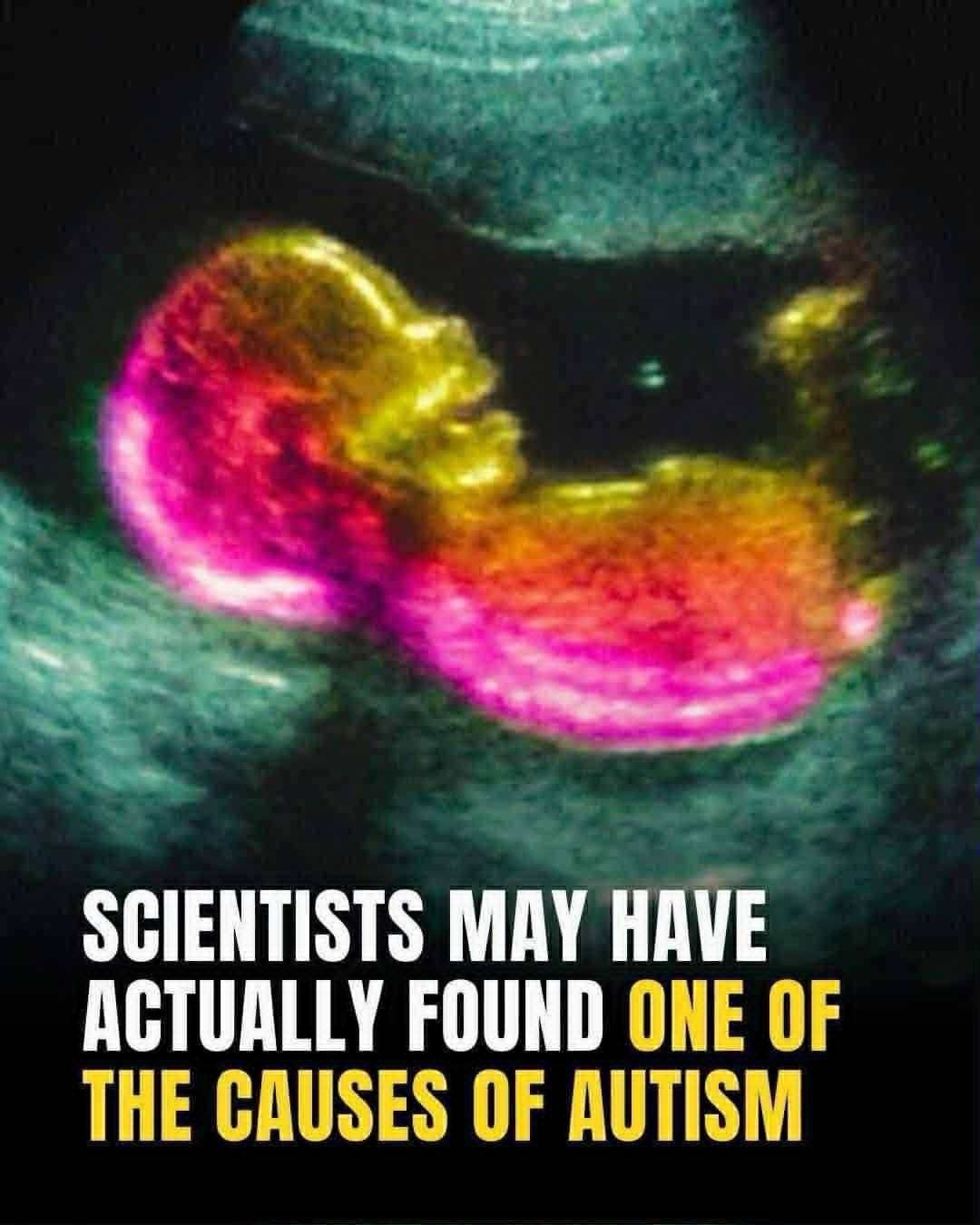
Scientists May Have Actually Found One of the Causes of Autism (What the Research Really Says)