🔹 Consult qualified professionals: Developmental pediatricians, child psychologists, or neurologists with autism expertise
🔹 Seek comprehensive evaluation: Look for assessments that consider strengths, challenges, and individual needs—not just checklists
🔹 Connect with autistic-led organizations: Groups like the Autistic Self Advocacy Network (ASAN) offer resources grounded in lived experience
If You're Supporting an Autistic Person
🔹 Presume competence: Assume understanding and capability, even if communication looks different
🔹 Focus on accommodations, not "fixing": Adjust environments, communication styles, and expectations to support success
🔹 Listen to autistic voices: Follow autistic advocates, read #ActuallyAutistic content, and center their perspectives
🔹 Celebrate neurodiversity: Recognize that different ways of thinking and being have inherent value
If You're Navigating Early Concerns
🔹 Trust your observations: You know your child best. If something feels off, seek evaluation
🔹 Avoid Dr. Google spirals: Stick to reputable sources (CDC, NIH, academic medical centers) for information
🔹 Prioritize connection: Responsive, loving interaction supports development regardless of diagnosis
🔹 Practice self-compassion: You're not to blame. You're doing your best with the information you have.
❓ FAQs: Your Questions, Answered with Care
Q: Can autism be detected before birth?
A: Currently, no. While research explores prenatal biomarkers, there is no clinically validated test to diagnose autism before birth. Ethical debates about such testing are ongoing within the autistic community and bioethics fields.
Q: If autism is genetic, will my other children be autistic?
A: Having one autistic child slightly increases the likelihood for siblings, but it's not deterministic. Many families have one autistic child and several non-autistic siblings—and vice versa. A genetic counselor can discuss your specific family history.
Discover more
Pudding
Beef
Food
Q: Does early intervention "work" for autism?
A: Early, individualized support can help autistic children develop communication, social, and daily living skills. However, "intervention" should focus on empowerment and accommodation—not on making a child appear non-autistic. Approaches like speech therapy, occupational therapy, and AAC (augmentative communication) can be valuable when respectfully applied.
Q: Are there medical tests for autism?
A: No. Autism is diagnosed through behavioral observation and developmental history, not blood tests or brain scans. Medical evaluations may rule out other conditions but cannot confirm autism alone.
Q: What about adults seeking diagnosis?
A: Many autistic adults pursue diagnosis later in life for self-understanding, accommodations, or community connection. Seek clinicians experienced in adult autism assessment, and be prepared for a process that may involve interviews, questionnaires, and developmental history review.
💙 A Compassionate Closing Thought
If you're reading this because you're worried, curious, or seeking answers for yourself or someone you love—I see you.
The search for understanding is human. The desire to help is loving. The fear of the unknown is real.
Discover more
food
Beef
Pudding
But autism isn't a puzzle to be solved. It's a person to be known.
The most powerful "cause" we can focus on isn't biological—it's cultural. The cause of acceptance. The cause of inclusion. The cause of building a world where neurodivergent minds can thrive as they are.
Science will keep advancing. Headlines will keep sensationalizing. But what matters most isn't finding a single cause—it's creating a society where every mind, every way of being, is valued.
That's a cause worth believing in.
🧭 The Bottom Line
Recent autism research is genuinely exciting—but it's complex, nuanced, and far from providing a single "cause."
Remember:
🔬 Autism arises from many interacting genetic and environmental factors—not one simple trigger
🧠 Understanding biology can improve supports, but acceptance and accommodation matter just as much
🚫 Beware of headlines that oversimplify; seek out reputable, nuanced sources
💙 Center autistic voices in conversations about autism—they are the true experts on their own experience
Discover more
food
Food
Pudding
Whether you're a parent, educator, healthcare provider, or autistic yourself: You deserve accurate information, compassionate support, and a world that makes space for all kinds of minds.
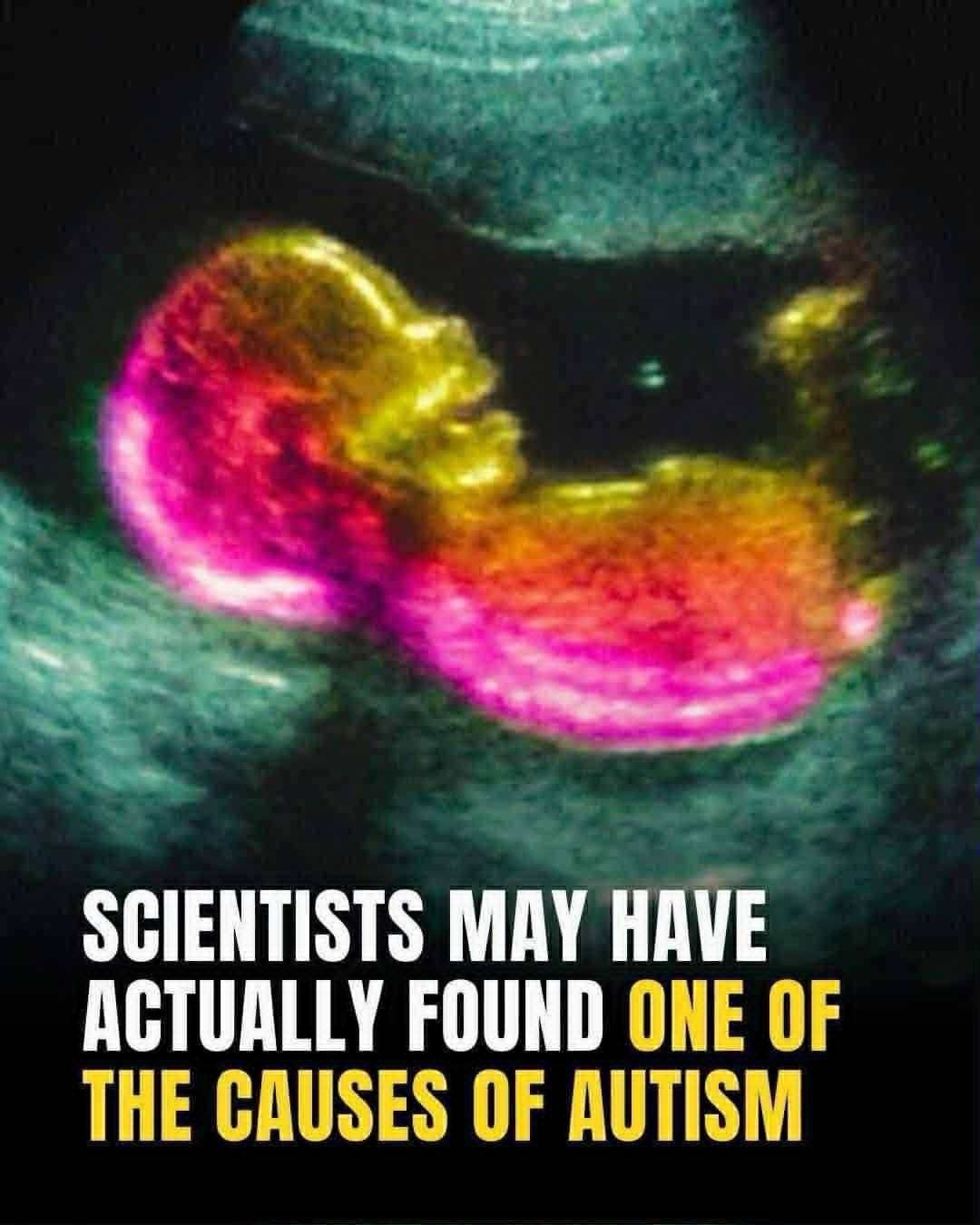
Scientists May Have Actually Found One of the Causes of Autism (What the Research Really Says)