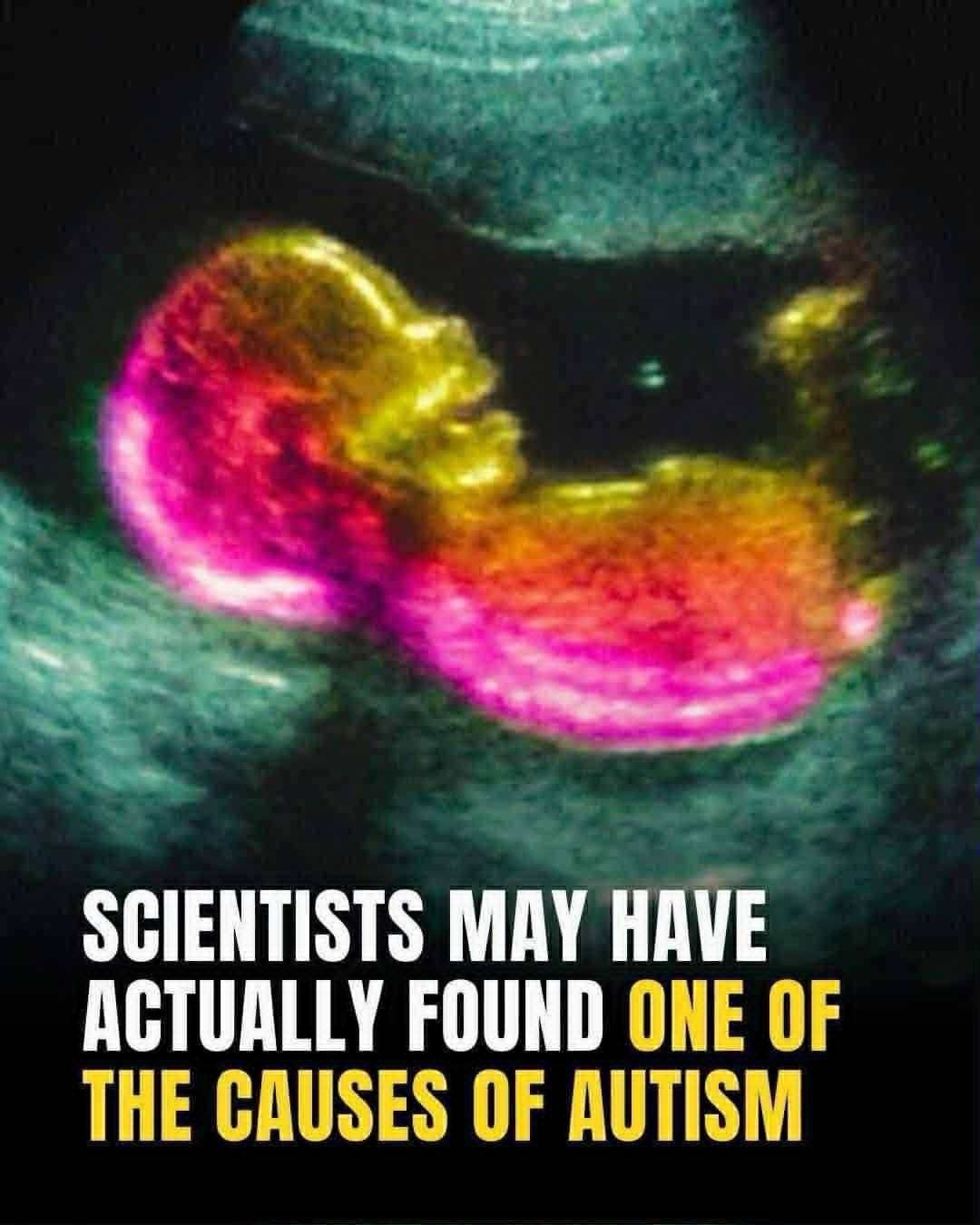
Let me tell you about the kind of headline that makes my blood pressure spike.
"SCIENTISTS DISCOVER THE REAL CAUSE OF AUTISM!"
The article, shared by a well-meaning relative, promised a simple, dramatic answer. One gene. One environmental toxin. One thing we could blame, fix, or prevent.
I've seen these headlines for years. They get clicks. They cause panic. They oversimplify complex science into bite-sized, often misleading, nuggets.
The truth is far more interesting—and far less sensational.
Recent research has made significant strides in understanding autism spectrum disorder (ASD), but there is no single "cause" of autism. Instead, science points to a complex interplay of genetic, biological, and environmental factors that influence early brain development.
Let's cut through the hype and look at what researchers actually know—and why oversimplified headlines can be misleading.
Let me walk you through the real science, the recent findings that are genuinely exciting, and what we still don't know.
Discover more
Food
food
Pudding
🧠 First, What Is Autism Spectrum Disorder (ASD)?
Before we talk about causes, let's clarify what autism is.
Autism is a neurodevelopmental variation characterized by:
Domain
What It May Look Like
Social communication
Differences in eye contact, conversation style, understanding social cues, or expressing emotions
Restricted/repetitive behaviors
Repetitive movements, deep focus on specific interests, preference for routine, sensory-seeking or avoiding behaviors
Sensory processing
Heightened or reduced sensitivity to sounds, lights, textures, smells, or movement
It's called a "spectrum" because symptoms and their severity vary widely. Some autistic individuals live independently, have successful careers, and form deep relationships. Others require significant support with daily living.
Important perspective: Autism is not a disease. It's not something to "cure." It's a different way of experiencing and interacting with the world—a form of neurodiversity.
That said, some autistic individuals experience significant challenges, and understanding the biological underpinnings can help develop better supports, accommodations, and interventions that improve quality of life.
Discover more
Beef
Food
food
🔬 What Recent Research Has Actually Found
Let me highlight the most significant scientific advances in the past few years—without the sensationalism.
1. The "Mosaic" Mutation Discovery (Somatic Mutations)
What the research shows:
What the research shows:
Not all genetic differences linked to autism are inherited. Some arise spontaneously in early development—called somatic mutations—and exist only in certain cells or brain regions, not throughout the entire body.
Why this matters:
These "mosaic" mutations may help explain why autism can occur in families with no prior history