They may contribute to the wide variability seen across the spectrum
They highlight that autism's origins can begin very early in brain development, even before birth
What it doesn't mean:
❌ This is not "the cause" of autism
❌ It doesn't apply to all autistic individuals
❌ It doesn't mean autism can be "prevented" by targeting these mutations
🧬 Key insight: Autism likely involves hundreds of genetic variations—some inherited, some spontaneous, some interacting with environmental factors. No single gene or mutation tells the whole story.
2. The Polygenic Reality: Hundreds of Genes, Not One
What the research shows:
Large-scale genomic studies (like those from the Autism Sequencing Consortium) have identified over 100 genes with strong statistical links to autism. Most of these genes play roles in:
Brain cell communication (synapse formation and function)
Gene regulation during early development
Chromatin remodeling (how DNA is packaged and accessed)
Why this matters:
Autism is highly polygenic: Many small genetic differences combine to influence likelihood
These genes often interact with each other and with environmental factors
Understanding these pathways may eventually lead to personalized supports—not a "cure"
What it doesn't mean:
❌ Genetic testing cannot currently "diagnose" autism
❌ Having a risk-associated gene doesn't mean someone will be autistic
❌ Genetics alone don't determine outcomes—environment and experience matter deeply
Discover more
food
Beef
Pudding
3. Early Brain Development: Timing Matters
What the research shows:
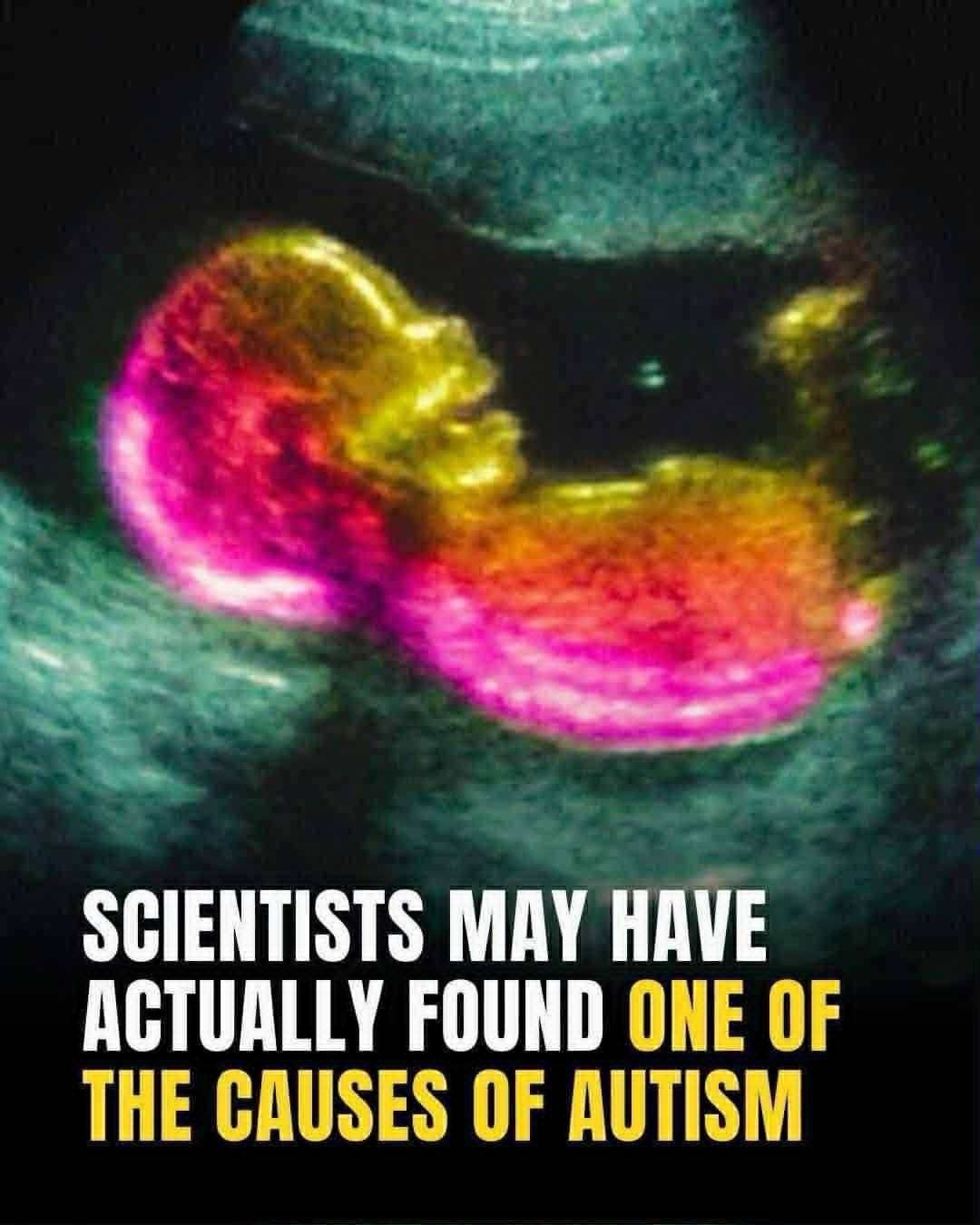
Advanced brain imaging and post-mortem studies suggest that differences in brain development associated with autism may begin during pregnancy, particularly in the second trimester.
Key findings include:
Altered patterns of neuron migration and connectivity
Differences in cortical layering and synaptic pruning
Variations in how brain regions communicate with each other
Why this matters:
Supports the understanding that autism is a neurodevelopmental variation, not something that develops later in childhood
Highlights the importance of prenatal health and early support—but without implying blame
Opens avenues for early identification and tailored interventions that respect neurodiversity
What it doesn't mean:
❌ This doesn't mean autism is caused by anything a parent did or didn't do
❌ It doesn't support prenatal "screening and selection" approaches that many in the autistic community find ethically concerning
❌ Brain differences ≠ deficits; many are associated with strengths too (pattern recognition, attention to detail, deep focus)
Discover more
Food
food
Pudding
4. The Environment Isn't Just "Toxins"—It's Complex
What the research shows:
Environmental factors linked to autism risk are rarely about single exposures. Instead, research points to complex interactions, such as:
Factor
What Science Suggests
Important Context
Advanced parental age
Slightly increased statistical association
Absolute risk remains low; many older parents have non-autistic children
Pregnancy complications
Preterm birth, low birth weight show correlations
Correlation ≠ causation; many factors influence birth outcomes
Maternal health
Certain immune activations studied
Research is ongoing; no evidence supports blaming mothers
Air pollution/chemical exposures
Some epidemiological links under investigation
Effects, if any, are likely small and interact with genetic susceptibility
Why this matters:
Helps identify populations that may benefit from additional prenatal support
Reinforces that autism arises from many small influences, not one "smoking gun"
Underscores the importance of equitable healthcare access for all families
What it doesn't mean:
❌ Vaccines do NOT cause autism. This has been thoroughly debunked by decades of rigorous research.
❌ Parenting style, diet during pregnancy (beyond severe malnutrition), or screen time do NOT cause autism.
❌ Environmental research should inform support—not fear or blame.
Discover more
Beef
food
Food
5. The Epigenetics Frontier: How Experience Shapes Expression
What the research shows:
Epigenetics studies how environmental factors can influence gene expression—turning genes "up" or "down" without changing the DNA sequence itself.
Early research suggests:
Prenatal and early-life experiences may influence how autism-associated genes are expressed