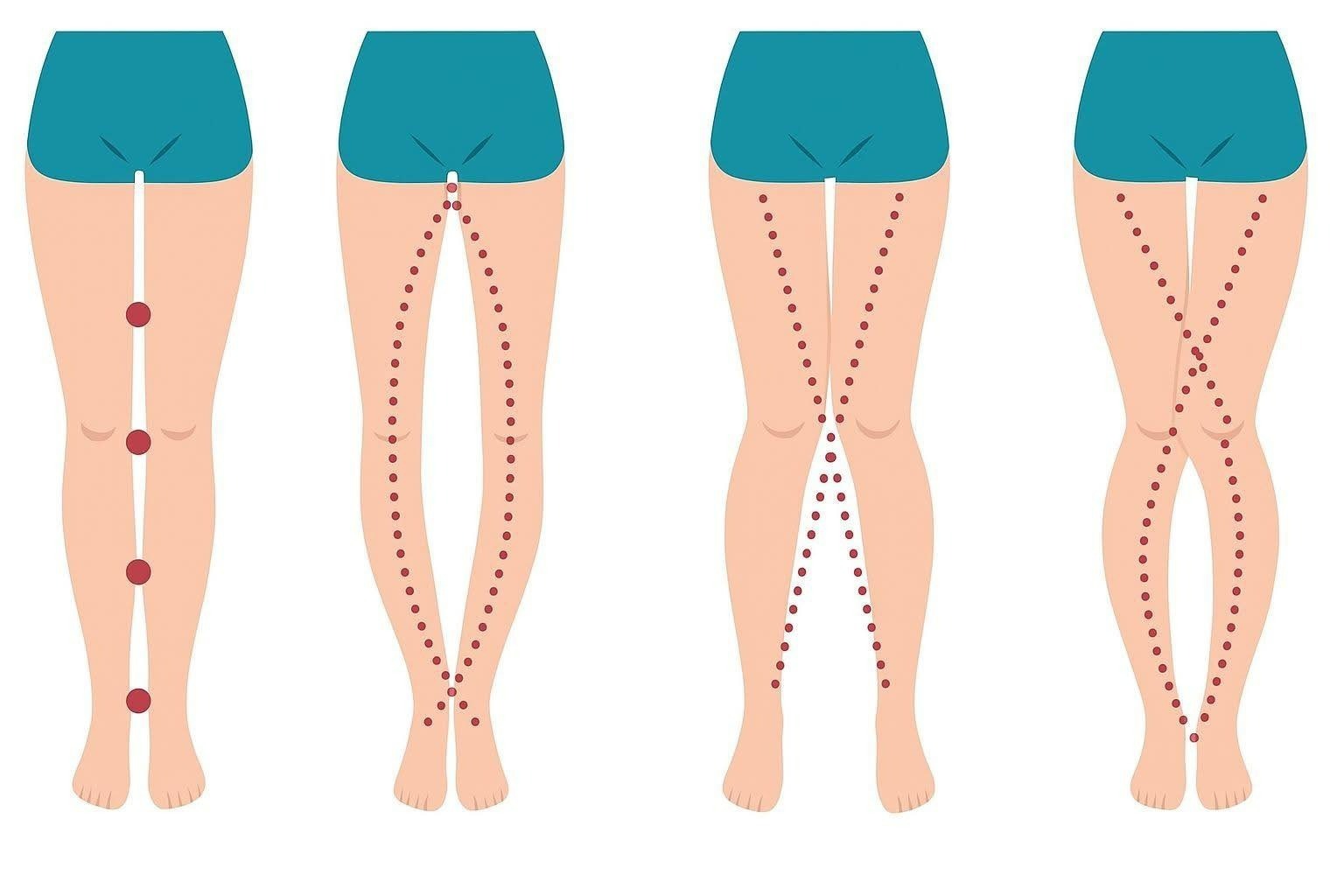
✅ What to do: Gentle pelvic floor stretches, walking, and consulting a pelvic floor physical therapist can help. If leg swelling is sudden or one-sided, seek medical care to rule out circulatory issues.
🩸 Changes in Discharge (Color, Consistency, Odor)
Possible connection: Your vaginal microbiome is speaking. Clear or white, mild-smelling discharge is normal and healthy. But sudden changes—like grayish tone, fishy odor, or cottage-cheese texture—can signal bacterial vaginosis, yeast overgrowth, or other imbalances.
✅ What to do: Avoid douching or scented products (they disrupt natural pH). If changes persist beyond a cycle or come with itching/burning, see a provider for testing. Probiotics (oral or vaginal) may support microbial balance.
Discover more
Alcoholic Beverages
Cheese
coconut milk
🔥 Persistent Dryness or Discomfort
Possible connection: Hormonal shifts (perimenopause, postpartum, breastfeeding), stress, or certain medications can reduce natural lubrication. This isn't "just aging"—it's a signal worth addressing.
✅ What to do: Water-based or silicone-based lubricants can provide immediate relief. For long-term support, discuss vaginal moisturizers or localized estrogen options with your provider. Hydration and stress management also help.
🔄 Irregular Cycles + Vaginal Changes
Possible connection: Your cycle is a vital sign. If you notice new vaginal dryness, irritation, or discharge changes alongside cycle shifts (shorter/longer periods, missed ovulation), it could reflect thyroid issues, PCOS, or hormonal imbalances.
Discover more
Herbs & Spices
drink
Alternative & Natural Medicine
✅ What to do: Track your cycle and symptoms for 2-3 months. Share patterns with your provider. Blood tests can clarify hormone levels, and lifestyle adjustments (sleep, nutrition, movement) often support regulation.
😣 Pain During Intimacy or Exercise
Possible connection: This could stem from pelvic floor tension, vulvodynia, endometriosis, or insufficient lubrication. Pain is never "normal"—it's your body asking for attention.
✅ What to do: Pause activities that cause pain. Try gentle pelvic breathing exercises. Seek a provider experienced in pelvic pain—many causes are treatable with physical therapy, medication, or targeted care.
💡 How to Tune Into Your Body's Wisdom (Without Overthinking)
Discover more
Herbs & Spices
Dairy & Eggs
Beverages
Listening to your body doesn't mean obsessing over every twinge. It means cultivating gentle awareness. Try these simple practices:
✨ Check in monthly: After your period, take 2 minutes to notice: How does your vaginal tissue feel? Any changes in discharge, sensitivity, or comfort? Journaling helps spot patterns.
✨ Practice pelvic awareness: Lie on your back, knees bent. Place a hand on your lower belly. Breathe deeply and imagine your pelvic floor softening on the inhale, gently engaging on the exhale. This builds mind-body connection without pressure.